
Understanding Your Autobody Repair Options After an Accident

Types of Autobody Repairs
When it comes to autobody repairs, there are several methods to consider. Each option has its own advantages and disadvantages, depending on the extent of the damage and your budget.
1. Collision Repair
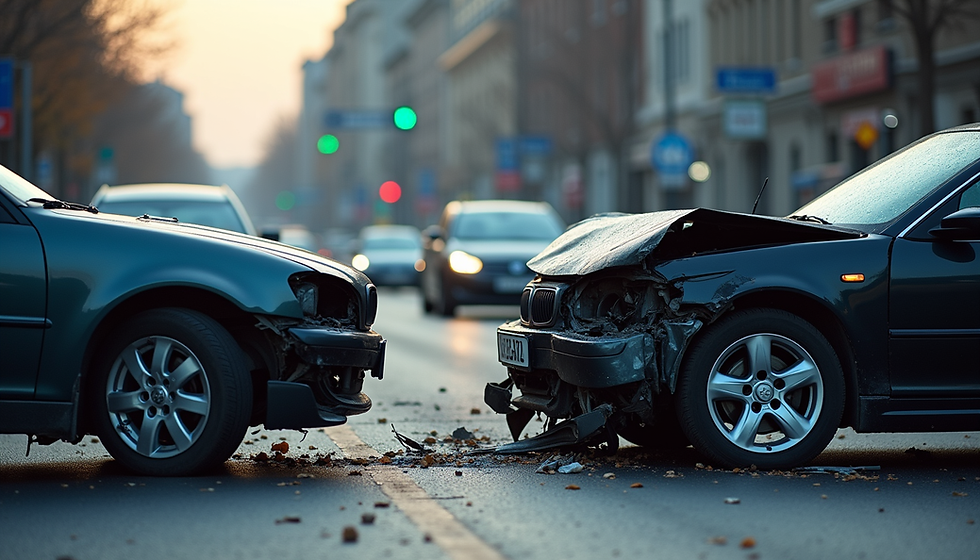
Collision repair is the most common type of autobody repair. This service is essential for vehicles that have sustained significant damage from an accident. Collision repair typically includes:
Frame Straightening: If the frame of your vehicle is bent, it needs to be straightened to ensure proper alignment.
Body Panel Replacement: Damaged panels may need to be replaced entirely.
Paint Matching: After repairs, the paint must be matched to the original color for a seamless finish.
2. Dent Repair
For minor accidents, dent repair can be a cost-effective solution. This process involves:
Paintless Dent Repair (PDR): This method is used for small dents where the paint has not been damaged. Technicians use specialized tools to massage the dent out from behind the panel.
Traditional Dent Repair: If the paint is damaged, traditional methods may involve filling the dent and repainting the area.
3. Scratch Repair
Scratches can detract from your vehicle's appearance and may lead to rust if not addressed. Scratch repair options include:
Buffing: Light scratches can often be buffed out using a polishing compound.
Touch-Up Paint: For deeper scratches, touch-up paint can be applied to blend the damaged area with the rest of the vehicle.
4. Glass Repair
If your windshield or windows are cracked or shattered, glass repair is necessary. This can involve:
Windshield Replacement: If the damage is extensive, a full replacement may be required.
Chip Repair: Small chips can often be filled to prevent further cracking.
Choosing the Right Repair Shop
Selecting the right autobody repair shop is crucial for ensuring quality work. Here are some factors to consider:
1. Reputation and Reviews
Research local repair shops by reading online reviews and asking for recommendations from friends or family. Look for shops with a strong reputation for quality work and customer service.
2. Certifications and Affiliations
Check if the repair shop has certifications from reputable organizations, such as the National Institute for Automotive Service Excellence (ASE) or affiliations with major insurance companies. These certifications indicate a commitment to quality and professionalism.
3. Warranty on Repairs
A reputable shop should offer a warranty on their repairs. This warranty provides peace of mind, ensuring that if any issues arise after the repair, they will be addressed at no additional cost.
4. Estimates and Transparency
Get estimates from multiple shops and compare them. A trustworthy shop will provide a detailed breakdown of the costs and explain the repair process clearly.
Understanding Insurance Coverage
Navigating insurance claims after an accident can be complex. Here’s what you need to know:
1. Types of Coverage
Liability Coverage: This covers damages to other vehicles and property if you are at fault.
Collision Coverage: This covers damages to your own vehicle, regardless of fault.
Comprehensive Coverage: This covers non-collision-related incidents, such as theft or natural disasters.
2. Filing a Claim
After an accident, contact your insurance company to report the incident and start the claims process. Be prepared to provide:
Details of the accident
Photos of the damage
A copy of the police report, if applicable
3. Working with Adjusters
Insurance adjusters will assess the damage and determine the payout for repairs. It’s essential to communicate openly with them and provide any necessary documentation to support your claim.
Cost Considerations
The cost of autobody repairs can vary significantly based on several factors:
1. Extent of Damage
The more extensive the damage, the higher the repair costs. Minor scratches may only cost a few hundred dollars, while major collision repairs can run into thousands.
2. Type of Repair
Different types of repairs come with varying costs. For example, paintless dent repair is generally less expensive than traditional dent repair.
3. Labor Rates
Labor rates can vary by region and shop. Urban areas may have higher rates compared to rural locations.
4. Parts Quality
Using original equipment manufacturer (OEM) parts can be more expensive than aftermarket parts, but they often provide better quality and fit.
DIY vs. Professional Repairs
While some minor repairs can be done at home, such as buffing out scratches, it’s essential to know when to seek professional help. Consider the following:
1. Skill Level
If you have experience with car repairs, you may feel comfortable tackling minor issues. However, for significant damage, it’s best to leave it to the professionals.
2. Tools and Equipment
Professional repair shops have specialized tools and equipment that may not be available to the average car owner. Attempting complex repairs without the right tools can lead to further damage.
3. Time and Convenience
Professional repairs can save you time and hassle. If you’re busy or unsure about the repair process, it’s often worth the investment to hire a professional.
Preventing Future Damage
After getting your vehicle repaired, consider these tips to prevent future damage:
1. Regular Maintenance
Regular maintenance, such as oil changes and tire rotations, can help keep your vehicle in good condition and reduce the risk of accidents.
2. Safe Driving Practices
Adopting safe driving habits, such as obeying speed limits and avoiding distractions, can significantly reduce the likelihood of accidents.
3. Parking Precautions
Be mindful of where you park. Avoid tight spaces and areas with heavy foot traffic to minimize the risk of dings and scratches.
Conclusion
Understanding your autobody repair options after an accident is essential for restoring your vehicle and ensuring your safety on the road. By knowing the types of repairs available, how to choose the right repair shop, and navigating insurance coverage, you can make informed decisions that suit your needs. Remember to prioritize safety and maintenance to prevent future incidents. If you find yourself in need of repairs, take the time to research and choose wisely. Your vehicle deserves the best care possible.

Comments